3 Signs That You Are Wearing an Ill-fitting Hearing Aid
Manufacturers design most hearing aids to provide a bespoke fit for the

By: admin | October 20, 2025
Your ears rely on good blood flow to function properly, and regular physical activity plays an important role in maintaining that circulation. The tiny hair cells in your inner ear need a steady supply of oxygen and nutrients to stay healthy and send clear signals to your brain. When you exercise, you improve circulation throughout your body, including to these delicate structures that are essential for hearing. Research shows that people who stay physically active tend to have better hearing outcomes as they age compared to those who lead more sedentary lifestyles.
Beyond the direct benefits to your ears, staying active contributes to your overall health in ways that indirectly protect your hearing. Exercise helps manage conditions like diabetes and cardiovascular disease, both of which have been linked to increased risk of hearing loss. It also reduces stress and supports better sleep, which can affect how you process and respond to sound. If you’ve been looking for additional ways to support your hearing beyond using hearing aids or protecting your ears from loud noise, incorporating regular physical activity into your routine is a straightforward step that benefits both your hearing and your overall well-being.
The auditory system is responsible for turning sound waves from the environment into signals the brain can understand. When sound enters the ear, it travels through the ear canal and vibrates the eardrum. These vibrations move through three small bones in the middle ear that amplify the sound and send it to the inner ear. Inside the cochlea, which is a spiral-shaped structure filled with fluid, thousands of tiny hair cells respond to the movement of that fluid. Each hair cell is tuned to a specific pitch, helping us recognize everything from low rumbles to high notes.
Once the hair cells convert these vibrations into electrical signals, the auditory nerve carries them to the brain, where they’re processed as recognizable sounds like voices, music or environmental noises. This process happens almost instantly, allowing us to react quickly to what we hear. Even small changes within the ear or the auditory nerve can affect how clearly we perceive sound, which is why maintaining ear health and addressing any hearing changes early is so important.
Physical activity has a positive effect on more than your overall fitness. It also supports the systems that keep your hearing strong. When you move regularly, your heart works more efficiently, sending a steady supply of oxygen-rich blood throughout your body. That includes your ears, where small and sensitive cells rely on this circulation to stay healthy. These cells are responsible for detecting sound and sending clear signals to your brain, helping you interpret what you hear in daily situations.
Even light activities, like walking or stretching, can make a difference if done consistently. Regular movement encourages better cardiovascular function, which in turn supports the ears’ ability to perform their job. Knowing that something as simple as staying active can help protect your hearing adds another reason to keep physical activity a steady part of your week.
Good circulation is essential for healthy hearing. The inner ear contains thousands of tiny hair cells that convert sound vibrations into electrical signals for the brain to process. These cells depend on a steady flow of oxygen and nutrients to stay in good condition. When blood flow is restricted, they can become stressed or damaged, which affects how well you hear. Unlike other cells in the body, these hair cells do not regenerate once they are lost, making it important to keep them healthy throughout your life.
Exercise plays an important part in maintaining that balance. Activities that strengthen the heart and improve circulation, like swimming, biking or brisk walking, help ensure that the ears receive the oxygen they need. This kind of steady support not only benefits hearing but also contributes to overall wellness, reinforcing how connected your hearing is to your general health.
Sedentary lifestyles can contribute to several health conditions that are linked to hearing loss. High blood pressure, or hypertension, can damage the small blood vessels in the inner ear, reducing the supply of oxygen and nutrients to the delicate hair cells responsible for sending sound signals to the brain. Over time, this reduced blood flow can contribute to hearing decline.
Other conditions associated with inactivity, such as type 2 diabetes and cardiovascular disease, also pose risks to ear health. Diabetes can affect both the nerves and blood vessels in the auditory system, making it harder for the ear to function properly. Similarly, cardiovascular problems can impair circulation to the cochlea, the part of the ear that converts sound into nerve signals, increasing the likelihood of hearing loss. Research shows that these conditions often overlap, meaning individuals with multiple risk factors may experience a greater impact on their hearing.
Your daily habits can have a big impact on your hearing over time. Exposure to loud music through headphones, attending noisy events without ear protection and smoking can all affect the delicate cells in your inner ear. These cells rely on healthy blood flow and oxygen to function, so habits that restrict circulation or introduce harmful chemicals increase the risk of hearing loss. Managing health conditions like high blood pressure or diabetes is also important, as these can damage blood vessels and nerves that support your hearing.
Even habits that seem simple, like staying hydrated, play a role in maintaining healthy hearing. When you exercise, your body loses water through sweat and dehydration can reduce blood flow and oxygen to the ears. Drinking enough water before, during and after physical activity helps keep circulation steady, supporting the tiny cells that allow you to hear clearly. Paying attention to both protective measures for your ears and overall healthy lifestyle choices can help reduce the risk of hearing problems as you age.
Regular physical activity benefits your hearing in several ways. Exercise helps reduce inflammation throughout the body, which can protect the delicate cells in your inner ear from damage. When these cells remain healthy, your ability to process sounds stays sharper, giving your ears a better chance to maintain strong function as you age.
Exercise also helps manage blood pressure, which is closely tied to ear health. High blood pressure can strain or damage the small blood vessels in your ears, potentially affecting hearing over time. Staying active supports healthy circulation, ensuring that your ears receive the oxygen and nutrients they need. Together, these effects show how regular movement can play a direct role in protecting and supporting your hearing.
Finding the right physical activities and keeping up with them can make a real difference for your hearing. Exercises that get your heart pumping, like brisk walking, cycling, swimming or low-impact fitness classes, help maintain healthy blood flow to the ears and support the tiny cells in your inner ear. Even small amounts of movement added to your daily routine, like taking the stairs, stretching or short walks, contribute to overall ear and cardiovascular health. The key is choosing activities that fit your lifestyle and feel manageable, so you are more likely to stick with them over time.
Staying active supports your hearing at any age. Simple activities like walking, gardening or stretching at home can keep your body moving and your blood flowing well to your ears. Gentle movement like chair exercises or light yoga can be helpful for those with limited mobility, and participating in group classes or social activities can also benefit mental health, which is closely tied to hearing health. Consistency is what makes exercise truly effective for long-term hearing health. Regular physical activity supports healthy circulation, reduces inflammation and helps maintain blood pressure, all of which protect your ears as you age.
Noticing changes in your hearing early can make a big difference in managing your overall ear health. Hearing loss often develops gradually, so small signs can be easy to overlook. You might find yourself asking people to repeat themselves more often, increasing the volume on your TV or phone, or struggling to follow conversations in noisy places. Missing certain everyday sounds, like doorbells, alarms or the rustle of paper, can also indicate that your hearing is changing. Recognizing these early signs helps you take action before the changes become more significant.
It is helpful to speak with a hearing instrument specialist if you notice changes in your hearing or have questions about how your activity and lifestyle may be affecting your ears. Your specialist can assess whether your daily habits, exercise routines or exposure to noise are supporting your hearing health. Having these conversations early ensures that you understand the connection between your overall health and your hearing and allows you to address concerns in a proactive way.
We can provide guidance on balancing physical activity with protecting your hearing in different environments and answer questions about how health conditions may influence ear function. Understanding these factors helps you make informed choices for both your hearing and your overall well-being. If you are unsure whether new hearing difficulties are linked to changes in activity or lifestyle, our specialists can help identify what might be happening and discuss practical steps to support your ears as you age.
Taking steps to maintain your hearing health goes beyond what you hear in the moment. Staying active supports the tiny structures in your ears that are essential for processing sound, while also helping your body manage conditions that can put your hearing at risk. Making physical activity part of your daily routine can help preserve the clarity and quality of your hearing as you age, making everyday conversations and activities easier to enjoy.
If you want guidance on how to integrate activity into your lifestyle in a way that supports your ears, Sound Choice Hearing in Albuquerque, NM at (505) 565-7960 can help. Our team can provide insights on the connection between exercise, overall health and hearing, helping you make choices that support your well-being today and in the future.
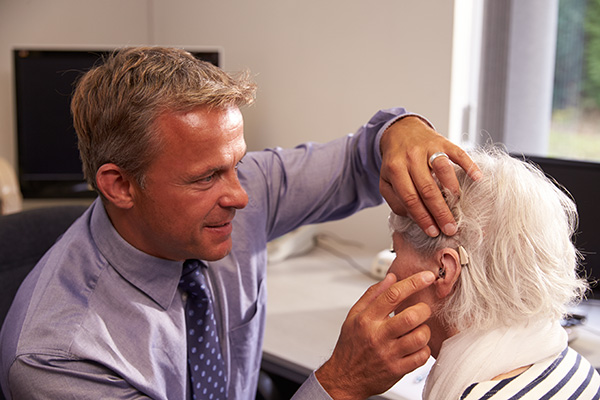
Manufacturers design most hearing aids to provide a bespoke fit for the
By: admin | June 14, 2022

Many people, including some professionals, associate hearing loss with
By: admin | May 30, 2022

If you believe that you have hearing loss, you may have considered whether
By: admin | April 24, 2022