3 Signs That You Are Wearing an Ill-fitting Hearing Aid
Manufacturers design most hearing aids to provide a bespoke fit for the


By: admin | July 29, 2025
If you spend a lot of time outdoors, you probably think about protecting your skin from the sun and staying hydrated, but your hearing might not be on your radar. Whether you’re riding ATVs through trails, using power tools for camping setups or spending hours on a boat with engine noise, many outdoor activities expose you to sounds that can damage your hearing over time. Add in factors like wind exposure and long periods of loud environmental noise, and your ears face challenges you might not even realize. What seems like harmless fun can actually put your hearing at risk if you’re not paying attention.
The thing is, most outdoor enthusiasts don’t want to give up the activities they love because of hearing concerns. You shouldn’t have to choose between enjoying your favorite trail or lake and protecting your hearing health. The key is understanding what risks you’re actually facing and taking simple steps to address them. Whether it’s knowing when noise levels are getting dangerous or recognizing early signs of hearing damage, a little awareness goes a long way toward letting you enjoy the outdoors without compromising your long-term hearing health.
Hearing health plays a vital role in staying safe and fully enjoying outdoor activities. When your hearing is sharp, you can pick up on important sounds around you, like a bike approaching from behind, animals rustling in the bushes or changes in the weather like thunder rolling in. These sounds provide valuable cues that help you react quickly and avoid potential dangers. Being aware of your surroundings not only protects you but also makes outdoor adventures more engaging and enjoyable.
Protecting your hearing during outdoor activities is just as important as protecting your eyes or skin. Using ear protection in noisy environments, like concerts, fireworks shows or busy trails with loud machinery, helps prevent damage caused by excessive noise. It is also a good idea to take breaks from loud settings to give your ears time to recover. After swimming or spending time in the rain, make sure to dry your ears thoroughly to prevent moisture buildup, which can lead to discomfort or infection.
Outdoor environments can change how your ears work and how you hear sounds. Wind may make it difficult to hear people talking or to catch warning signals. Water from swimming or rain can become trapped in your ears, leading to discomfort or possible infection.
Loud events like concerts or sporting games can expose you to noise levels that may be harmful over time. Even everyday outdoor sounds, like thunderstorms or nearby machinery, can be louder than you expect. Being aware of these factors helps you take steps to protect your hearing so you can enjoy your time outside.
Some outdoor sounds are much louder than they might seem at first. Thunderstorms can produce booming thunderclaps that carry over long distances, fireworks explode with intense bursts of noise and machines like speedboats and snowmobiles generate powerful sounds that can reach levels harmful to your ears. Even if these noises don’t seem uncomfortable in the moment, repeated or prolonged exposure to them can lead to hearing damage over time. It’s important to recognize that these common outdoor sounds have the potential to affect your hearing health if you are not careful.
To protect your ears during these loud activities, it helps to come prepared. Bringing earplugs to concerts, fireworks displays or any noisy outdoor event provides a simple and effective barrier against damaging noise levels. When possible, keep a safe distance from loud machines or equipment to reduce the sound intensity reaching your ears. Limiting the amount of time you spend near high-decibel sounds also gives your ears a chance to recover.
Spending time outdoors offers a natural way to notice early signs of hearing changes. When you’re out on group hikes, at picnics or attending outdoor events, you rely on your hearing to follow conversations and stay connected with others. If you find yourself frequently asking friends to repeat what they said or struggling to keep up with group discussions, these could be early indicators that your hearing is shifting. Outdoor settings often involve background noise like wind, water or crowds, which can make listening more challenging and reveal subtle hearing difficulties you might not notice in quieter environments.
Missing important sounds outside can also be a warning sign. Not hearing a warning call, the approach of a bike or the rustling of wildlife nearby affects both your safety and enjoyment. When familiar outdoor noises start to fade or become unclear, it may mean your hearing needs attention. Recognizing these changes early allows you to reach out to a hearing instrument specialist sooner, so you can explore options that help you stay aware and engaged in your favorite outdoor activities.
Protecting your ears around water is essential, no matter if you are swimming in a pool, spending time on a boat or enjoying any other water-related activity. When water gets trapped in your ear canal, it can create a moist environment that encourages bacteria and fungi to grow. This may lead to discomfort, itching or even infections like swimmer’s ear, which can cause pain and sometimes require medical treatment. Taking simple steps to keep your ears dry and clean can help prevent these problems before they start.
It is important to gently dry your ears after being in water. You can tilt your head to help water drain out naturally and use a soft towel to carefully dry the outer ear. Avoid inserting cotton swabs or other objects into the ear canal, as this can push water deeper or irritate the skin. Some people find earplugs designed for swimming helpful in keeping water out, especially if they spend a lot of time in the water or have had previous ear infections.
Choosing the right hearing protection depends on the activity you are doing and the types of sounds you will encounter. Different situations call for different kinds of protection to keep your hearing safe without cutting you off from important noises around you. Having the right gear means you can enjoy your favorite outdoor activities while reducing the risk of hearing damage.
For water activities like swimming, kayaking or boating, waterproof earplugs are designed to keep water out of your ear canal. These plugs help prevent moisture buildup that can cause discomfort or infections like swimmer’s ear. They create a seal that blocks water while still allowing you to hear sounds around you, which is important for safety, especially if you are in busy or unfamiliar water environments.
When you attend loud outdoor events or use noisy equipment, different types of ear protection can help reduce noise while keeping you aware of your surroundings. Here are some common options and what they’re good for:
Spending time outdoors is a wonderful way to stay active and enjoy nature, but it’s important to remember that your hearing health matters just as much as your overall well-being. Protecting your ears from loud noises is one of the best ways to preserve your hearing while having fun outside. Whether you are at a concert, a fireworks display or near noisy equipment like lawnmowers or power tools, using ear protection like foam earplugs or earmuffs can reduce the risk of damage. It’s also helpful to take breaks from loud environments whenever possible to give your ears a chance to rest.
Water exposure is another factor to keep in mind when protecting your hearing outdoors. Activities like swimming, boating or kayaking can lead to water getting trapped in your ears, which increases the chance of irritation or infection. Using waterproof earplugs designed for water sports can help keep moisture out, while drying your ears gently but thoroughly after water exposure reduces the risk of problems. Avoid inserting objects into your ear canal, as this can cause injury or push water deeper inside.
Finally, staying alert to changes in your hearing is key to maintaining healthy ears long term. Pay attention to situations where you find it harder to hear conversations, or when you notice muffled sounds or ringing after exposure to noise. These can be early signs that your ears need care. Regular hearing checkups and protecting your ears with the right gear help you enjoy the outdoors safely and confidently for years to come.
Spending time outdoors is one of life’s great pleasures, and protecting your hearing helps you enjoy those moments longer. Staying aware of the sounds around you and taking simple precautions reduces the risk of damage from loud engines, power tools or other noises common in nature. Using ear protection when needed and keeping your hearing aids dry and clean allows you to stay comfortable and confident no matter where your adventures lead.
If you want to learn more about protecting your hearing during outdoor activities or need guidance on caring for your hearing aids, we can help. Contact Sound Choice Hearing in Albuquerque, NM at 505-341-1300 to speak with a team member who understands your lifestyle and offers personalized support. Hearing health and outdoor enjoyment can go hand in hand when you have the right information and care.
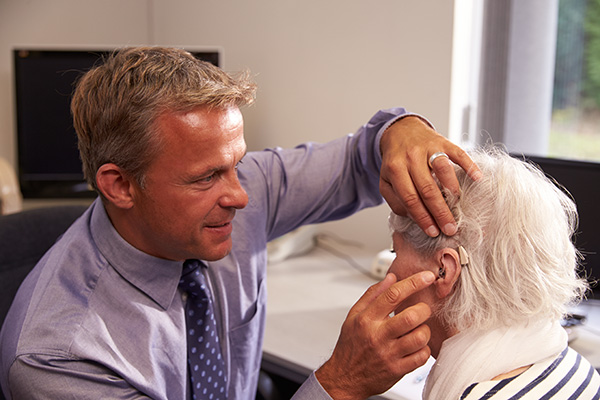
Manufacturers design most hearing aids to provide a bespoke fit for the
By: admin | June 14, 2022

Many people, including some professionals, associate hearing loss with
By: admin | May 30, 2022

If you believe that you have hearing loss, you may have considered whether
By: admin | April 24, 2022