3 Signs That You Are Wearing an Ill-fitting Hearing Aid
Manufacturers design most hearing aids to provide a bespoke fit for the


By: admin | March 25, 2026
When you rely on hearing aids, you want them to work well in every setting, including heated indoor spaces during the colder months.
Dry, warm air can affect hearing aid materials and the skin around your ears, sometimes causing minor fit or comfort changes that are easy to miss but may impact performance once noticed.
Even small changes in performance can make listening harder. Following conversations or hearing TV in a heated room may require extra effort.
That extra effort can make social situations feel more tiring without an obvious reason. A clear sense of how heated indoor environments affect your hearing aids is a practical first step toward maintaining comfort and consistent performance throughout the winter months.
Indoor heating can affect hearing aids in ways you might not even notice at first.
Warm, dry air often dries out the ear canal and the skin around it, which can make a hearing aid sit a little differently than usual. This slight shift in fit sometimes makes speech sound less clear or triggers feedback that was not there before.
These devices can also be quite sensitive to heat and dry conditions. The materials inside may react to the environment, which can change how comfortable they feel or how well they work throughout the day.
You might find that extended time in heated spaces makes these effects more obvious, making conversations in offices or at home feel more tiring. A quick check on how your hearing aids perform in these settings helps you catch small issues early so your listening stays as smooth as possible.
Humidity in the air can affect hearing aid performance.
Dry air can make the ear canal and surrounding skin feel less comfortable, which may cause your hearing aid to sit a little differently than usual.
It also allows more dust and tiny particles to settle inside the device, which can affect how clearly it picks up sound or shorten battery life over time.
On the other hand, very humid environments can allow moisture to enter hearing aids, which can interfere with their electronics and make sounds less clear. Moisture buildup can lead to feedback or occasional distortion.
Warm indoor environments can sometimes influence how hearing aids feel and perform, even if the changes are subtle. Jotting down your experiences in these settings can help you identify when heat and dry air are affecting you.
If you think the heat is starting to affect your hearing aids, you might notice a few subtle signs that something is off:
Many homes and offices use heating systems to keep spaces warm, and each type can affect air quality and hearing aid comfort in different ways.
Baseboard heaters and radiators warm the air more locally, keeping the space near them dry without moving much air. This can create areas that feel warmer or drier than the rest of the room.
Other heating types include heat pumps and underfloor systems. Heat pumps warm a room efficiently and can cool it in the summer, but the moving air can feel dry. Underfloor heating spreads warmth evenly from the floor up, keeping temperatures steady, though it can still reduce air moisture.
Knowing the type of heating in your environment can help you anticipate how it might affect your hearing aids and plan simple steps to maintain comfort and consistent performance throughout the day.
Moving between outdoor cold and indoor warmth can affect how long your hearing aid batteries last. Batteries work best at steady, moderate temperatures. Quick shifts from cold to warm can cause batteries to drain faster.
Cold air slows the chemical reactions inside a battery, which may cause your hearing aids to stop working sooner than expected.
Once inside, the battery may recover slightly but not fully regain its strength. This repeated change can shorten overall battery life.
To help your batteries last longer during temperature changes:
Heated rooms in winter or spaces with strong heaters often create dry air, which can lead to more dust and static electricity.
Both of these can affect the small, delicate parts inside hearing aids and may reduce their performance over time. Dust can get into microphones or tiny openings, and static can interfere with the electronics, making your device less reliable.
Knowing about these risks can help you keep your hearing aids performing their best.
There are a few simple ways to protect your devices in dry, heated environments.
Wiping your hearing aids regularly with a soft, dry cloth can remove dust before it builds up. Using a dehumidifier or keeping a small moisture-absorbing container nearby can help reduce dryness and static.
When handling your hearing aids, touching a grounded metal surface first can discharge any static from your body. Taking these steps can help your hearing aids stay in good condition, even in dry, heated indoor spaces.
Properly storing hearing aids in warm indoor spaces can help maintain their performance and extend their lifespan. High heat and dry air from heaters or radiators can affect both the device’s materials and the batteries, so it’s important to keep hearing aids in a place that avoids direct heat.
A drawer, a storage case or a dedicated hearing aid dehumidifier can provide a stable environment, protecting the devices from temperature fluctuations and moisture changes.
Keeping them out of direct sunlight is also important, as sunlight can increase heat and cause gradual wear on the components.
Develop a routine to store hearing aids when not in use. Remove them at night and place them in a protective case or drying container to prevent exposure to warm, dry air.
Avoid leaving them near vents, heaters or electronics that produce heat and consider wiping them down with a soft cloth if they feel warm or slightly damp from daily use. Taking these steps helps maintain comfort, sound quality and the overall reliability of the devices over time.
Indoor heating can sometimes affect how hearing aids feel or perform, and small adjustments to device settings can help maintain comfort and clarity.
Recognizing the type of heat in a room, whether it comes from a forced-air system, radiator or baseboard heater, can guide how to fine-tune your hearing aids for the best listening experience.
Tips for adjusting hearing aids in different heated environments include:
If your hearing aids begin to sound weak, cut out or show changes in battery life that cleaning and new batteries do not fix, it may be time to see a hearing specialist for help.
Sudden feedback noise or volume issues also signal that your devices need professional attention.
You should reach out if you notice physical damage like cracks or broken parts on your hearing aids. Moisture inside the device or repeated problems with static may require expert care.
Regular check-ins with your hearing specialist support ongoing device performance and allow for adjustments or repairs when needed.
Creating a maintenance checklist for hearing aids during the colder months can help ensure devices continue to work reliably indoors.
Dry air, dust and fluctuating temperatures can create small challenges that may not be obvious at first. Having a clear routine makes it easier to catch potential issues early and keep hearing aids performing at their best.
A checklist can also serve as a simple way to remember daily and weekly tasks that support both comfort and sound quality.
A maintenance checklist may include checking for wear or cracks, replacing batteries regularly and cleaning microphones or vents.
It can also be helpful to inspect tubing or domes for any stiffness caused by lower humidity, and to test the device in different indoor rooms to ensure consistent performance.
Following a checklist each week or month provides structure and helps prevent small problems from becoming bigger issues, making indoor listening easier and more reliable throughout the colder months.
Small adjustments to how you store and care for your devices can help you avoid many of the issues that come with heated indoor air. Paying attention to fit and comfort as the season changes lets you address minor issues before they affect your daily routine.
When your hearing aids perform well, you can focus on the conversations and activities that fill your day instead of managing discomfort or unclear sound.
If you notice changes in how your hearing aids feel or function, we can help you figure out what is happening and what to do about it. Contact our team at Sound Choice Hearing in Albuquerque, NM, at (505) 565-7960 to schedule an appointment or talk through any concerns.
We work with you to make sure your hearing aids fit well and perform the way you need them to, no matter the season. Taking care of these details now can help you stay comfortable and connected all winter long.
Tags: hearing aid basics, hearing aid repair, hearing aid styles
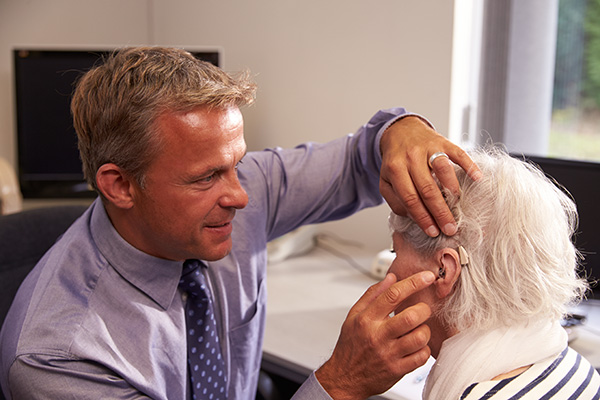
Manufacturers design most hearing aids to provide a bespoke fit for the
By: admin | June 14, 2022

Many people, including some professionals, associate hearing loss with
By: admin | May 30, 2022

If you believe that you have hearing loss, you may have considered whether
By: admin | April 24, 2022